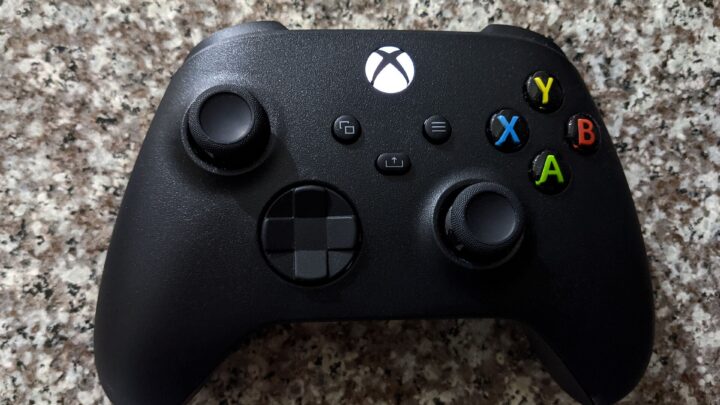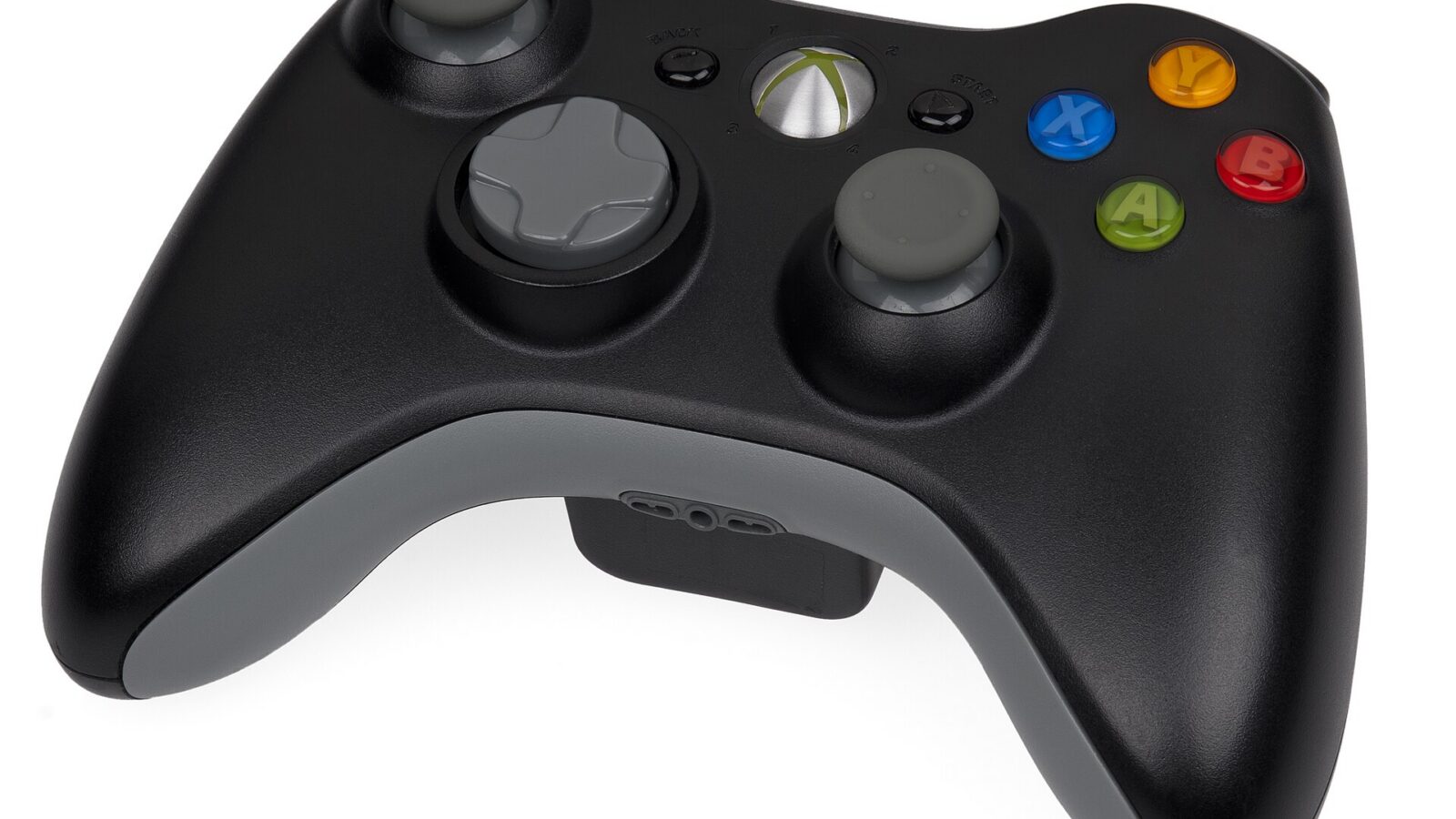
If you own both an Xbox and a PlayStation — or a gaming PC and a PS5 — you have probably wondered which subscription earns its money. The honest answer depends on one question: do you want new games on launch day?
The biggest difference: day-one games
Game Pass Ultimate and PC Game Pass include Xbox first-party games on the day they launch. PS Plus does not include Sony’s big new first-party releases at launch; its Extra and Premium catalogues are built from older games that rotate in and out. If you play new Microsoft releases, Game Pass is hard to beat.
Catalogue and back catalogue
Both services offer hundreds of games in their middle tiers. PS Plus Extra’s catalogue is strong on PlayStation exclusives from previous years; Game Pass Premium includes Xbox-published games around a year after launch. Premium on PlayStation adds an extensive retro catalogue that Game Pass has no direct equivalent for.
Price comparison (US)
| Need | Game Pass | PS Plus |
|---|---|---|
| Online multiplayer only | Essential $9.99/mo | Essential $79.99/yr |
| Big catalogue | Premium $14.99/mo | Extra $134.99/yr |
| Everything | Ultimate $22.99/mo | Premium $159.99/yr |
| PC only | PC Game Pass $13.99/mo | Not applicable |
On an annual basis PS Plus is cheaper at every level, especially because its yearly plans were not affected by the May 2026 increase. Game Pass is sold mainly monthly, which suits players who subscribe only for a few months at a time.
Cloud gaming
Game Pass Essential, Premium and Ultimate include Xbox Cloud Gaming; PC Game Pass does not. On PlayStation, cloud streaming is part of Premium.
Our take
- Play new Xbox releases: Game Pass Ultimate (console) or PC Game Pass (PC).
- Mostly play on PS5 and enjoy catching up on past hits: PS Plus Extra, bought yearly.
- Love retro games: PS Plus Premium.
- Budget-conscious PC player: PC Game Pass.
Whichever you choose, check the current catalogue before subscribing: games join and leave both services every month.